Free Cross Stitch Pattern Snowman: Simple Holiday Guide
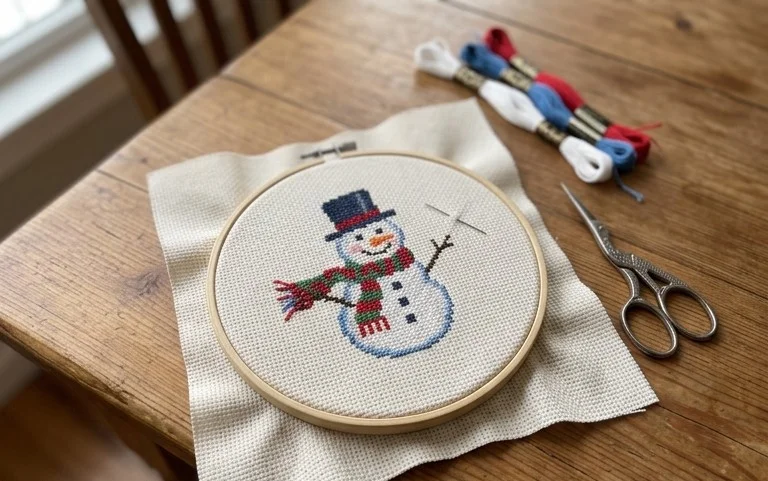
A frosty snowman with a bright orange carrot nose and coal-black eyes brings a cozy atmosphere to any holiday table or window display. This flat, stitched decoration feels dense and substantial in your hand, making it a reliable addition to your seasonal home decor collection. Beginners will find the process satisfying because it relies on standard grid-based embroidery techniques that build up quickly on aida fabric. You will learn how to maintain even tension across every cross, ensuring your character has clean, defined features. It is a relaxing way to spend a quiet winter evening while building a handmade tradition.
Why You’ll Love This Pattern
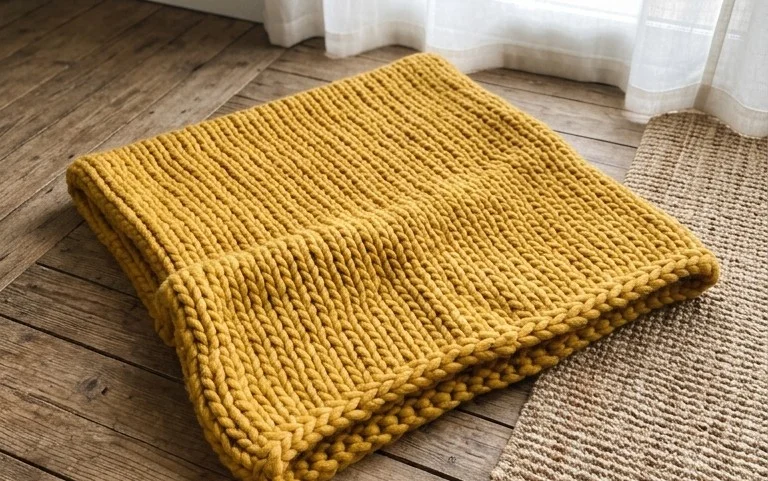
This classic crochet dishcloth works up quickly using the thermal stitch, a technique that creates a thick, double-layered fabric perfect for scrubbing heavy-duty pans. The stitch density provides natural durability, meaning your finished cloth will hold its shape even after repeated use in hot water. Because it uses a simple foundation chain and repetitive row work, it is an ideal pattern for practicing consistent tension while catching up on a podcast or watching television. You can complete a full set of three in a single evening, making these an excellent choice for handmade gifts or stocking your own kitchen.
I was surprised by how professional and sturdy this turned out compared to my usual granny stitch cloths. The thickness really helps with stubborn stuck-on food, and the texture feels great in the hand.
— Sarah, home crafter
Pattern Overview & Skill Level
- Skill Level: Beginner
- Approximate Time: 45 minutes per cloth
- Construction: Worked in flat rows using the thermal stitch technique
- Finished Dimensions & Sizing: 7 inches by 7 inches
Materials & Supplies Needed
- Yarn: Worsted weight (#4) 100% cotton yarn, approximately 75 yards per cloth. Cotton is essential for heat resistance and absorbency.
- Hook Size: 5.0 mm (H-8) crochet hook.
- Notions needed: Yarn needle for weaving in ends, scissors, and optional stitch markers to keep row edges straight.
- Safe yarn substitutions: Any medium-weight cotton-linen blend works well. Avoid acrylic fibers for dishcloths, as they do not absorb water effectively and may melt if they touch a hot pan surface.
Stitch Guide & Abbreviations (US Terms)
- ch = chain
- sc = single crochet
- BLO = back loop only
- FLO = front loop only
- st(s) = stitch(es)
- Thermal Stitch: This involves working into the back loop of the current row and the remaining front loop of the row below simultaneously, effectively creating a double-thick fabric.
Step-by-Step Pattern Instructions
Foundation and Base Row
Start by creating a foundation chain that is 26 stitches long.
- Row 1: Sc in the second ch from the hook and in each ch across. (25 sts).
- Row 2: Ch 1, turn. Sc in the BLO of each st across. (25 sts).
Working the Thermal Stitch
- Row 3: Ch 1, turn. Sc by inserting the hook through the back loop of the current stitch AND the remaining front loop of the stitch from Row 1 directly below it. Complete sc as normal. Repeat across. (25 sts).
- Rows 4 through 30: Repeat Row 3. Each row will be worked into the back loop of the current row and the front loop of the row immediately below it. This creates the signature thick, quilted texture of the thermal stitch. (25 sts).
Finishing
Once you reach row 30, fasten off the yarn by pulling the tail through the final loop. Use a tapestry needle to weave the loose ends securely into the stitches on the back side of the cloth. Trim the remaining tail close to the fabric, ensuring the knot is hidden within the dense fibers.
Care & Washing Instructions
- Machine wash in warm water on a gentle cycle to remove oils and food residue.
- Lay the dishcloth flat on a clean towel to air dry, as high heat in a machine dryer may cause the cotton to shrink.
- Reshape the square by gently pulling the corners while it is damp to ensure it remains flat.
Pro Tips & Common Mistakes to Avoid
- Maintain a loose tension when working the thermal stitch, as the double-layered fabric is naturally rigid; pulling too tight will make it difficult to insert your hook into the stitches from the row below.
- Place a stitch marker in the first and last stitch of each row to ensure your edges stay perfectly straight, as it is easy to skip the last stitch in this thick fabric.
- Weave your yarn ends diagonally through several stitches rather than just snipping them; this prevents the ends from unraveling after frequent washings.
- If you want a larger dishcloth, simply increase your starting foundation chain in multiples of one, but note that this will require additional yardage of yarn.
Frequently Asked Questions
Can I use a larger hook size to make the cloth work up faster?
Using a larger hook will make the cloth less dense and decrease its scrubbing power. It is best to stick to the recommended 5.0 mm hook for this specific stitch pattern to maintain the signature thick texture.
Why does my edge look uneven after a few rows?
This usually happens if you miss the final stitch of the row. The thermal stitch creates a thick edge that can hide the last stitch, so count your stitches at the end of every row to ensure you maintain 25 stitches throughout.
Is this pattern suitable for someone who has only done simple squares?
Yes, this is an excellent second project. If you are comfortable with basic single crochet, you will pick up the thermal stitch quickly after the first two rows.
Am I allowed to sell the dishcloths I make from this pattern?
You are welcome to sell finished items made from this pattern. Please credit the design to the original author when listing your items online.
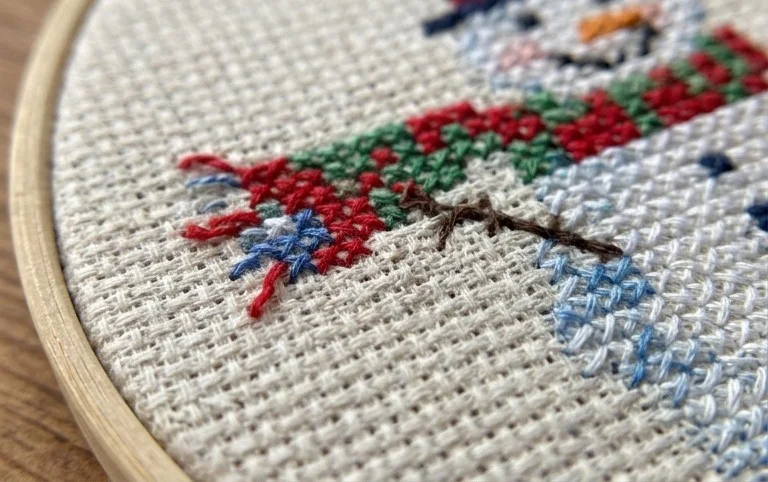
Your finished character looks sharp hanging on a tree or resting on a mantelpiece once you finish the final thread knot. You can easily scale this design up or down by changing the fabric count or using thicker embroidery floss to create a larger winter display. Please share a photo of your handiwork online so others can see how your individual color choices turned out this season. You should browse the rest of the blog for more seasonal craft ideas to keep your hands busy during the coldest months of the year.